Asphalt Repair in Orlando, FL
Commercial asphalt repair that starts with finding out why the surface failed -- then matches potholes, cracked drive lanes, low spots and sunken utility cuts to a fix that will actually hold.
Call (689) 336-1895 for a Free Estimate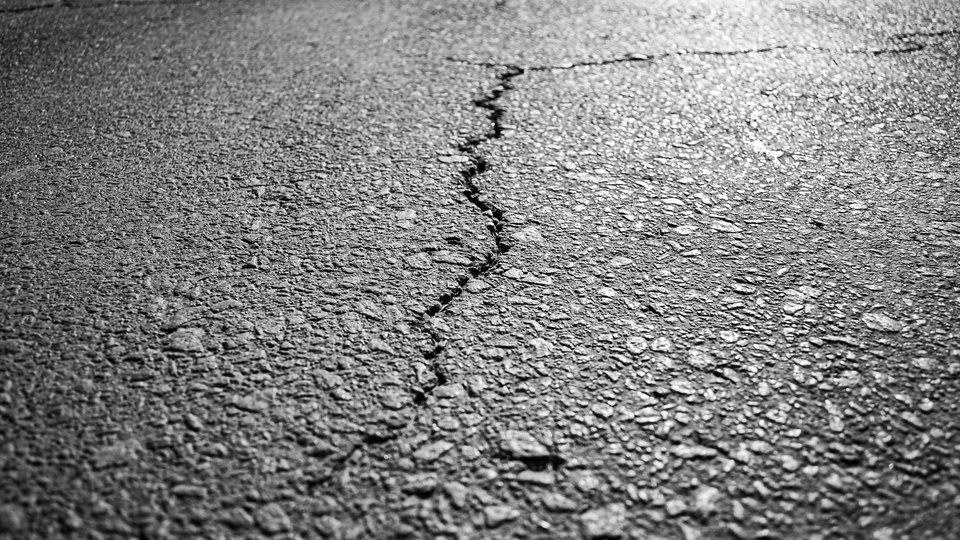
Damaged asphalt on a commercial property is two problems at once. It is a maintenance problem, because a small failure left alone through one Central Florida rainy season can triple in size. It is also a safety problem, because the people crossing the lot are customers, tenants, residents and employees who are watching their phones, not the ground.
The mistake most properties make is treating every defect the same way: a shovel of cold patch in every hole and a squiggle of crack filler in every line. Some damage really is that simple. A lot of it is not. A pothole in a drive lane that keeps coming back is telling you something about the base underneath, and filling it again without asking why just schedules the next visit.
Retail center managers, apartment communities, office parks, medical buildings, churches and HOAs all run into these problems. If you have a spot that keeps failing, or a list of defects you need to prioritize, call and we'll walk the property with you and sort what needs attention now from what can wait.
Diagnose First: What the Damage Is Telling You
Every crack, hole and dip has a cause, and the cause decides the repair. Surface defects come from aging binder, poor original compaction or fluid spills, and they can often be handled at the top of the asphalt. Structural defects come from a weak or wet base, asphalt overloaded by heavier traffic than it was built for, or movement in the ground below, and no amount of surface work will stop them.
The best time to read a lot is right after a heavy afternoon storm. Water shows where the surface holds puddles, where it is pumping fine sand up through cracks, and where drainage is sending runoff across the drive lanes instead of into the inlets. Note the pattern and location of each defect -- near the dumpster enclosure, along the delivery route, at the entrance -- because location usually points straight at the load or water source doing the damage.
Alligator Cracking in Drive Lanes
Alligator cracking, sometimes called fatigue cracking, is a network of interconnected cracks dividing the surface into small angular blocks that resemble reptile skin. On commercial lots it shows up most in drive aisles, at entrances, along truck delivery routes and in front of dumpster enclosures, where heavy wheels pass over the same strip every day.
This pattern almost always means the asphalt is flexing more than it can tolerate, because the base or subgrade below has weakened, often from water. Sealing the individual cracks does very little; there are too many and the pieces are already loose. Left alone, the pieces break free and the area becomes a pothole cluster. The durable repair is to cut out the cracked area, fix whatever is wrong underneath, and rebuild it at full depth.
Potholes, Raveling and Birdbaths
Potholes usually begin as cracks that let water in. The base softens, traffic pumps material out, and the surface collapses into a hole. In Central Florida they multiply in summer, when daily storms keep the base wet for weeks. A throw-and-go cold patch can make a hole safe for a few days, but it seldom lasts on a busy commercial surface.
Raveling is the gradual loss of stone from the surface. The lot looks rough and gravelly, loose aggregate collects along curbs, and the texture keeps getting coarser. It points to oxidized binder, low original density or fluid damage. Caught early, it is a surface-level issue; ignored, it thins the asphalt until structural damage follows.
Birdbaths are shallow depressions that hold water long after the rest of the lot has dried. They form from settlement, a soft spot in the base, or a grading error from the day the lot was built. Beyond speeding deterioration, they create slip hazards when algae grows in them and give mosquitoes a place to breed. Minor ones can be leveled with a thin patch; deeper ones need the area cut out and the base corrected so the new surface sits at the right elevation.
Utility Cuts and Settlement That Needs a Closer Look
Anywhere a trench was cut for water, sewer, electrical or data lines, the backfill has to be compacted as carefully as the original base. Often it is not. The telltale sign is a rectangle of patched asphalt that sinks a little lower every season, with cracks running along both edges. Repairing it properly means removing the patch, recompacting or replacing the soft backfill, and rebuilding with sealed edges so water cannot follow the seam back down.
Some settlement is different. The limestone beneath Central Florida is soluble, and the region has a well-documented history of ground subsidence. A depression that keeps deepening, circular or curved cracks forming around a low area, sudden sagging with no trench or heavy load to explain it, or fresh cracks in nearby walls and sidewalks are signs to stop and have the ground evaluated by a geotechnical engineer before anyone patches over it. A repair crew can describe what it sees, but it should not be the one deciding what is happening below the base. Rope off the area and get the evaluation first.
Crack Sealing, Skin Patches and Full-Depth Patches Compared
Crack sealing is the lightest repair. Individual cracks are cleaned out, sometimes routed to create a clean reservoir, and filled with a hot-applied rubberized material that stays flexible through summer heat. It works on isolated linear cracks in otherwise healthy asphalt and keeps water out of the base. It is the wrong tool for alligator cracking or anything that moves up and down under traffic.
A skin patch is a thin layer of hot asphalt placed over a damaged area after cleaning and tacking the old surface, with edges feathered or cut to meet the surrounding lot. It smooths raveled areas, shallow depressions and minor surface breakup quickly and with little disruption. Because nothing underneath changes, it is a surface solution and will reflect any base problem through within a short time.
A full-depth patch removes the failed section entirely. The area is saw-cut into a clean rectangle, asphalt and failed base are excavated, the subgrade is compacted, new base is placed where needed, and hot asphalt goes back in lifts, each rolled tight. Edges are tacked and sealed. It is slower and more involved, but it is the only repair that addresses what caused alligator cracking or a recurring pothole, and done well it performs like new asphalt.
Trip Hazards: What Property Managers Should Watch For
For a manager, the most urgent repairs are often not the biggest ones. An inch-deep pothole in a walking path between parking stalls and a storefront trips more people than a large failure in a back truck lane. Pay particular attention to raised patch edges, broken asphalt at curb ramps, heaved sections from tree roots and gaps where asphalt meets a sidewalk or drain grate.
Accessible routes deserve extra scrutiny, since federal accessibility standards limit abrupt changes in level along them to small fractions of an inch. Walk the lot on a schedule and again after major storms, including once after dark to see how lighting hides defects. When a hazard turns up, cone or barricade it the same day, take dated photos, and log when it was reported and when it was repaired. That record helps with budgeting and shows the property acted promptly.
Scheduling Repairs Without Shutting the Property Down
Most repairs can be done in sections while a business stays open. Crack sealing sets up quickly, and patch areas are usually small enough to barricade individually. Full-depth work takes longer, so it is often scheduled for early mornings, slow weekdays or overnight at properties that never close.
In the wet season, excavated areas should not sit open when storms are forecast; a well-run repair is dug, rebuilt and rolled the same day. Bundling scattered defects into one mobilization also tends to make more sense than calling someone out for each new hole.
For published ranges on crack filling and patch work, see the Orlando asphalt paving cost guide. Once repairs are done, asphalt sealcoating helps protect the whole surface, patches included.
What’s Included
- Property walk with a written list of defects by location and priority
- Identification of surface versus base-related failures
- Hot-applied crack sealing for isolated linear cracks
- Skin patching for raveled areas and shallow depressions
- Saw-cut, full-depth patches for alligator cracking and recurring potholes
- Base and backfill correction under failed utility cuts
- Leveling or rebuilding of low spots that hold water
- Flagging of unexplained settlement for professional ground evaluation
- Sectioned work plans that keep entrances and walkways usable
Why It Matters in Orlando
Orlando-area asphalt fails in a recognizable way. Fine sand underneath means a base that gets wet loses support quickly, and a wet season that dumps storm after storm from June into September keeps plenty of those bases soaked. There is no freeze-thaw cycle here, so potholes grow from water and traffic rather than ice. Heat softens the surface under parked delivery trucks and dumpster service, producing ruts and shoves. And because the region's limestone is known for sinkholes, dating back to the widely reported 1981 collapse in Winter Park, unexplained settlement on a commercial lot is worth a professional look instead of another load of patch material.
Asphalt Repair in Orlando — FAQ
Why does the same pothole keep coming back in my parking lot?
A pothole that returns after patching almost always has a problem below the asphalt. The base under that spot may be saturated, contaminated with sand or simply too thin for the traffic crossing it. Cold patch pressed into the hole sits on the same weak foundation, so traffic pushes it out again. The fix is a saw-cut, full-depth repair that removes the soft material, rebuilds the base, and seals the edges. Also check whether drainage is sending water to that spot.
When should a crack be sealed and when does it need a patch?
Seal a crack when it is a single line, or a few scattered lines, in asphalt that is otherwise firm and not sinking. Patch when cracks connect into a web, when the pieces between them rock or break loose, or when the surface around the crack has dropped. The first is keeping water out of a healthy structure; the second means the structure has already failed and sealing will not hold. Cracks wider than roughly a quarter inch are generally worth filling.
Is a depression in my asphalt lot a sinkhole?
Nobody should answer that by looking at the surface, including an asphalt contractor. Most depressions come from poor compaction, a failed utility trench or water weakening the base. Because Central Florida has karst geology, though, a low area that keeps growing, curved cracks around it, or new cracks in nearby structures justify stopping and having a geotechnical engineer evaluate the ground. Barricade the area, keep people and vehicles away, and hold off on any patching until you have that assessment.
How quickly should a property manager fix a trip hazard?
As soon as you know about it, mark it. Cones, a barricade or caution tape can go up the same day even if the repair takes longer to schedule. Document the hazard with dated photos and a note of who reported it and when. Permanent repairs on walking paths, curb ramps and building entrances should be prioritized ahead of cosmetic work in low-traffic areas. A written repair log also makes next year's budget conversation much easier.
Can asphalt repairs be done during Orlando's rainy season?
Yes, with planning. Crack sealing and patching both need a dry surface, so work usually happens in the morning before afternoon storms. Full-depth patches should be excavated, rebuilt and rolled the same day so an open hole never fills with rainwater. Some defects actually become easier to see during the wet months because ponding and pumping reveal them. Waiting until dry season to address a growing pothole usually means repairing a much larger area.
Do utility trench patches need to be redone if they sink?
Usually, yes, and the sooner the better. A sunken trench patch means the backfill below was never fully compacted, and it will keep settling while cracks along the seams let more water in. Adding another layer on top only buries the problem. The lasting repair removes the patch, recompacts or replaces the loose backfill, rebuilds the base and asphalt, and seals the edges. If the trench belongs to a utility's recent work, contact that utility first.
Other Services
- Asphalt Paving in Orlando
- Parking Lot Paving in Orlando
- Asphalt Sealcoating in Orlando
- Parking Lot Striping in Orlando
Areas We Serve
- Asphalt Repair in Orange County
- Asphalt Repair in Winter Park
- Asphalt Repair in Apopka
- Asphalt Repair in Ocoee
- Asphalt Repair in Kissimmee
- Asphalt Repair in Sanford
Wondering what the job runs? See what asphalt paving and parking lot work costs in Orlando.
Free Asphalt Repair Estimate in Orlando
Free, no-obligation estimates across Orange County. Tell us about your lot, drive or property.
Call (689) 336-1895